
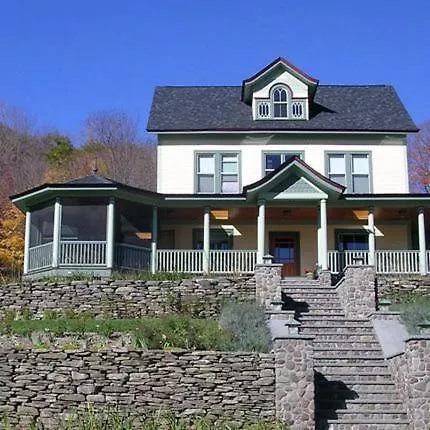
The Appalachian Mountains stretch over 2,400 km across 14 states, from Alabama to Maine, offering a dramatically different lodging experience than urban hotel corridors. Travelers searching for B&Bs and apartments here are typically looking for direct access to trail systems, ski resorts, and historic small towns - with hosts who actually know the terrain. This guide covers 15 carefully selected properties across the Appalachian corridor, from the Catskills in New York to the Blue Ridge in North Carolina, helping you match the right base to the right experience.
What It's Like Staying in the Appalachian Mountains
Staying in the Appalachian Mountains means trading walkable city blocks for driving distances between properties and trailheads - most attractions sit around 10 to 50 km apart, and a car is essentially non-negotiable. The region spans multiple states, each with its own rhythm: Vermont's ski corridor stays packed from December through March, while North Carolina's Blue Ridge draws the heaviest leaf-peeping crowds in October. Crowd patterns are highly seasonal and location-dependent, meaning a quiet mid-week stay in Waynesville, NC can feel completely isolated, while Stowe, VT on a ski weekend rivals any resort town in the Northeast.
Visitors who benefit most are hikers, skiers, road-trippers doing multi-state routes along the Blue Ridge Parkway, and couples seeking inn-style retreats far from urban noise. Those expecting public transport, walkable dining strips, or same-day booking flexibility will find the region poorly suited to those habits.
Pros:
- Direct access to major trail systems, ski resorts, and state parks with minimal crowds on weekdays
- B&B hosts frequently provide insider knowledge on trail conditions, local dining, and seasonal events unavailable online
- Nightly rates at independent inns are often significantly lower than comparable mountain resort hotels
Cons:
- A personal vehicle is required for virtually all activities - no rideshare or transit coverage in rural zones
- Peak fall foliage and ski season windows book out weeks in advance, limiting last-minute flexibility
- Cell coverage and high-speed internet can be unreliable in the more remote valley properties
Why Choose B&Bs and Apartments in the Appalachian Mountains
B&Bs and apartment-style stays dominate the Appalachian accommodation market for a practical reason: the region's historic towns and rural landscapes are built around small, owner-operated inns rather than chain hotel corridors. Properties here regularly include full breakfasts, hot tubs, fireplaces, and ski pass sales points - amenities that chain hotels in the same price bracket rarely bundle together. Nightly rates at well-reviewed B&Bs across the Appalachian corridor typically run lower than branded mountain lodges with comparable views, yet room sizes tend to be more generous, often featuring private entrances, terraces, or balconies with direct mountain sightlines.
The trade-off is consistency: service quality and room finish vary significantly between properties, and the intimate scale of a 6 to 10-room inn means noise from other guests travels more easily than in a large hotel. Apartments and self-catering units suit longer stays or family groups best, particularly where kitchen access reduces the cost of multi-day trips in areas with limited affordable dining options.
Pros:
- Bundled amenities - breakfast, parking, WiFi, hot tubs - are standard at most properties, reducing daily out-of-pocket costs
- Room sizes and private outdoor spaces (patios, terraces, balconies) typically exceed what chain hotels offer at the same price point
- Owner-operated inns in historic buildings provide architectural character and regional context that generic lodging cannot replicate
Cons:
- Availability windows are narrow - popular properties in ski and foliage season fill up around 6 weeks in advance
- Quality control varies sharply between properties; highly rated inns and underperforming ones often appear at similar price levels online
- Minimum stay requirements of 2 nights are common on weekends and holidays, reducing flexibility for one-night stopovers
Practical Booking & Area Strategy for the Appalachians
The Appalachian corridor splits into distinct sub-regions that serve very different travel purposes, and choosing the wrong base is the most common mistake visitors make. Stowe, Vermont and Warren, VT position guests within striking distance of Mount Mansfield and Mad River Glen - critical if skiing or summer hiking on Vermont's Long Trail is the primary goal, with Burlington International Airport reachable in under an hour. For Blue Ridge access in North Carolina, Asheville functions as the practical hub, with Hendersonville, Waynesville, and Christiansburg all within a 60 km drive, connecting visitors to the Blue Ridge Parkway, Biltmore Estate, and Great Smoky Mountains National Park. In Pennsylvania's Pocono Mountains, Canadensis and the Hawk Mountain corridor offer the most direct access to Delaware Water Gap National Recreation Area and Pocono-area ski resorts, while Hershey-area properties near the South Mountain range suit families visiting Hersheypark as a secondary activity.
The Catskills zone - covering Fleischmanns, Woodstock, and the Delaware-Ulster rail corridor - draws the highest density of New York City weekend visitors, meaning Friday-to-Sunday rates spike sharply from May through October. Booking midweek stays in the Catskills can cut accommodation costs noticeably compared to weekend pricing. For multi-night Appalachian itineraries, positioning in Asheville or Stowe as a central base and using day drives to reach outlying attractions is consistently more efficient than moving properties every night.
Best Value B&Bs in the Appalachian Mountains
These properties offer strong practical value across the Appalachian corridor - bundling breakfast, free parking, and activity-adjacent locations at rates that undercut comparable mountain lodges. Each one provides a reliable base for outdoor-focused itineraries without the premium pricing of high-end resort inns.
-
1. Breezy Hill Inn
Show on map


 Check-infrom 16:00 until 23:59Check-outuntil 11:00
Best price guarantee
fromUS$ 205
-
2. Morning Glory B N B Woodstock Ny
Show on map


 Check-infrom 14:30 until 21:00Check-outuntil 11:00
Best price guarantee
fromUS$ 178
-
3. Log Country Inn Bed And Breakfast Of Ithaca
Show on map


 Check-infrom 15:00 until 22:00Check-outfrom 10:00 until 11:00
Rooms filling fast – secure the best rate!
fromUS$ 175
-
4. The Charleston Inn Hendersonville Nc
Show on map


 Check-infrom 16:00 until 20:00Check-outfrom 06:00 until 11:00
Best price guarantee
fromUS$ 159
-
5. Shirley'S Bed And Breakfast
Show on map


 Check-infrom 15:00 until 22:00Check-outuntil 11:00
Best price guarantee
fromUS$ 215
-
6. Brookview Manor Inn
Show on map


 Check-infrom 16:00 until 20:30Check-outuntil 11:00
Rooms filling fast – secure the best rate!
fromUS$ 136
-
7. The Inn At Stone Mill
Show on map


 Check-infrom 15:00 until 19:00Check-outuntil 11:00
Best price guarantee
fromUS$ 135
-
8. Sinclair Inn Bed & Breakfast
Show on map


 Check-infrom 15:00 until 19:00Check-outuntil 11:00
Just a few rooms left at the best rate!
fromUS$ 232
Best Premium B&Bs in the Appalachian Mountains
These properties offer elevated amenity sets, stronger location positioning relative to key Appalachian attractions, or distinctive architectural and experiential features that justify higher nightly rates for travelers prioritizing comfort alongside outdoor access.
-
9. Brass Lantern Inn
Show on map


 Check-infrom 15:00 until 20:00Check-outfrom 08:00 until 10:00
Hurry – almost gone at this price!
fromUS$ 354
-
10. West Hill House B&B In Mad River Valley
Show on map


 Check-infrom 16:00 until 21:00Check-outfrom 08:00 until 11:00
Just a few rooms left at the best rate!
fromUS$ 217
-
11. Pinecrest Bed & Breakfast
Show on map


 Check-infrom 15:00 until 17:00Check-outuntil 11:00
Best price guarantee
fromUS$ 283
-
12. Andon-Reid Inn Bed & Breakfast
Show on map


 Check-infrom 15:00 until 18:00Check-outfrom 07:00 until 11:00
Best price guarantee
fromUS$ 276
-
13. Hawk Mountain Bed & Breakfast
Show on map


 Check-infrom 15:00 until 19:00Check-outfrom 07:00 until 11:00
Hurry – almost gone at this price!
fromUS$ 187
-
14. The Oaks Victorian Inn
Show on map


 Check-infrom 15:00 until 23:59Check-outuntil 11:00
Best price guarantee
fromUS$ 230
-
15. The Londonderry Inn
Show on map


 Check-infrom 15:00 until 17:00Check-outfrom 10:00 until 11:00
Just a few rooms left at the best rate!
fromUS$ 218
Smart Travel & Timing Advice for the Appalachian Mountains
The Appalachian Mountains operate on two dominant travel peaks: ski season from late December through mid-March in Vermont and the Poconos, and fall foliage from late September through late October across the entire corridor from Georgia to Maine. October is the single most competitive booking month across all Appalachian states - prices spike sharply and properties at popular trailhead towns like Stowe, Asheville, and Woodstock fill completely. Booking at least 6 weeks ahead for any October weekend stay is a minimum threshold, not a suggestion.
Summer, from June through August, brings moderate crowds to hiking-focused areas in North Carolina and Virginia, with lighter pressure than fall but higher temperatures in the southern Appalachians that can affect strenuous trail plans. Late April through May and September represent the best combination of reasonable rates, manageable crowds, and favorable weather across most of the Appalachian corridor - particularly for hikers targeting the Blue Ridge Parkway or Vermont's Long Trail. Most B&Bs in this guide require a minimum 2-night stay on weekends from May through October; midweek stays avoid this restriction and frequently come with lower nightly rates. For ski-focused trips to Stowe or the Mad River Valley, January and February offer the most reliable snow conditions, but book no later than 8 weeks in advance for weekend availability at well-reviewed properties.


