
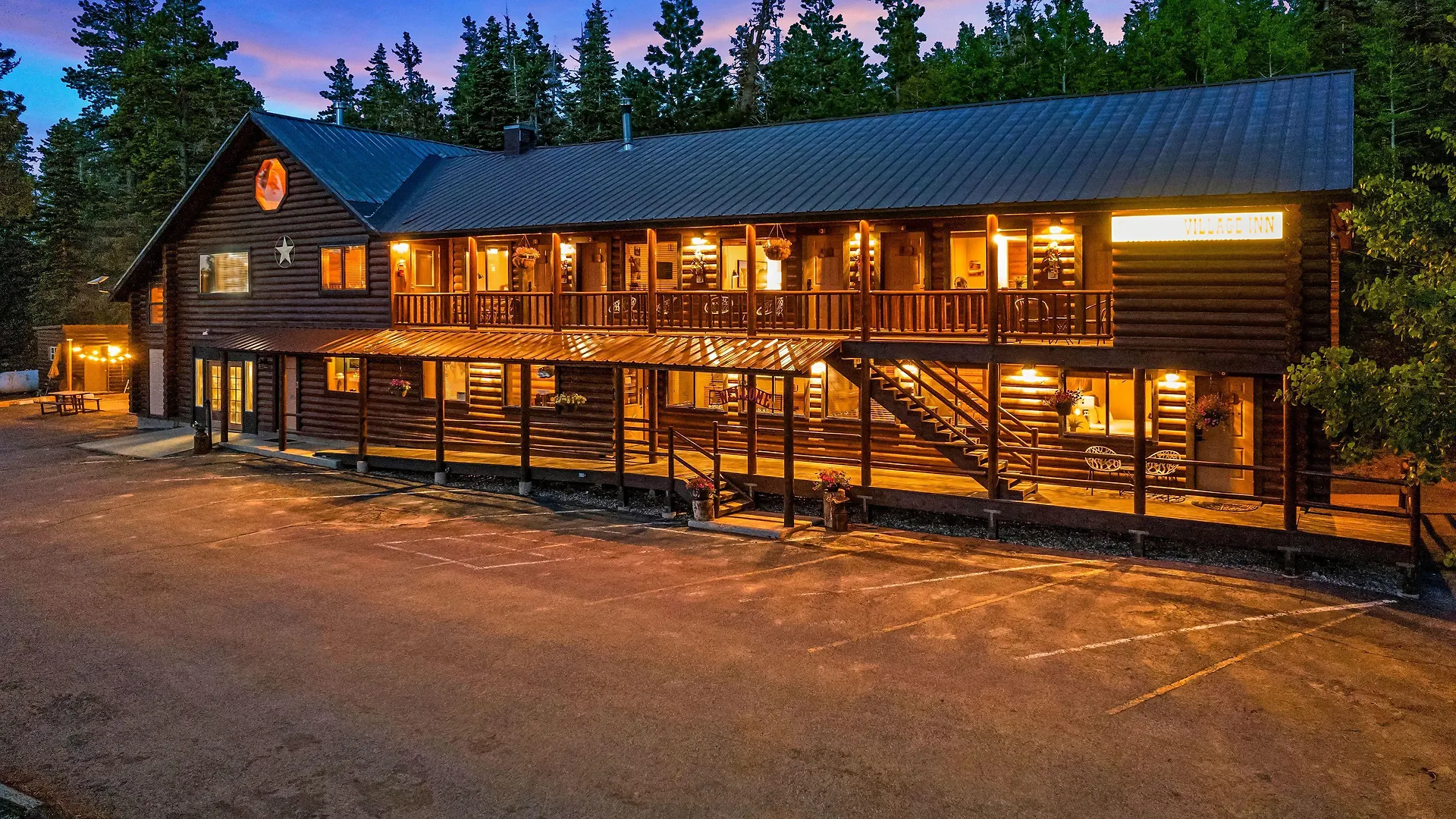
Utah's lodge hotels put you closer to the landscape than any city-center chain ever could - whether that means waking up inside Dixie National Forest, stepping out to Bryce Canyon within the hour, or using Glen Canyon as your backyard. This guide covers six verified lodge-style properties across southern and central Utah, with practical positioning advice, booking timing, and honest trade-offs to help you choose the right base for your trip.
What It's Like Staying in Utah
Utah is one of the most geographically dramatic states in the US, home to five national parks - Zion, Bryce Canyon, Arches, Canyonlands, and Capitol Reef - all within a day's drive of each other. Distances between attractions are significant, with drives of 2 to 3 hours between parks being standard, which makes choosing your base lodge strategically essential rather than optional. The state sees peak crowds from March through October, with summer months pushing trailhead parking lots to capacity by 7am at popular parks like Zion.
Pros:
- Unmatched access to five national parks within a single road trip circuit
- Lodge properties sit directly inside or adjacent to protected lands, cutting travel time to trailheads
- Dramatically less urban congestion than gateway cities - most lodge zones are quiet by 9pm
Cons:
- Distances between southern Utah landmarks require a rental car - public transport is essentially nonexistent outside Salt Lake City
- Dining options near lodges are limited; expect in-house restaurants or a short drive to small towns
- Cell service and fast internet can be unreliable in Dixie National Forest and Glen Canyon areas
Why Choose Lodge Hotels in Utah
Lodge-style accommodation in Utah is not simply a rustic aesthetic choice - it is a functional one. Staying in a lodge places guests inside the landscapes they came to see, eliminating the 45-minute to 90-minute shuttle drives that guests in St. George or Cedar City face each morning. Nightly rates at Utah lodges average around $120-$160, which is competitive given breakfast inclusions and the elimination of commute costs. Room sizes tend to be larger than standard motel rooms, with many properties offering cabin-style units with separate entrances and mountain views, though trade-offs include limited room service and basic in-room amenities compared to urban hotels.
Pros:
- Direct proximity to trailheads means earlier starts and avoiding peak parking gridlock
- Cabin and lodge units typically offer more privacy and outdoor space than standard hotel rooms
- Many Utah lodges include continental breakfast, reducing daily food logistics
Cons:
- Amenity sets are lean - most lodges lack spas, gyms, or concierge services found at resort properties
- Availability is tight from May through September; last-minute bookings are rarely possible at well-positioned properties
- Remote locations mean limited grocery access - stock up in Cedar City or Panguitch before arriving
Practical Booking & Area Strategy
Southern Utah's lodge corridor runs roughly from Panguitch in the north down through Bryce Canyon, Duck Creek, and Kanab toward the Arizona border, with a separate cluster near Lake Powell and Glen Canyon in the southeast. Cedar City is the most practical resupply hub for guests staying near Duck Creek Village or Bryce Canyon, located around 40 minutes from most lodge properties in that zone. For guests focused on Capitol Reef or Canyonlands, the Salina and Richfield corridor along I-70 and Route 89 offers a more central overnight position. Zion National Park's west entrance now requires a shuttle reservation during peak months, making lodges in the Panguitch or Bryce zone a smarter base for guests planning to visit multiple parks in one trip - you avoid the Springdale parking crisis entirely while staying within driving range of Zion, Bryce, and Cedar Breaks. Book at least 8 weeks ahead for any summer stay near Bryce Canyon, as properties within a 30-minute drive of the park entrance consistently sell out by late April.
Best Value Lodge Stays
These properties offer the strongest combination of location, included amenities, and access to multiple southern Utah attractions without premium pricing - making them the practical first choice for budget-conscious road trippers and families.
-
1. Duck Creek Village Inn
Show on map


 Check-infrom 16:00 until 22:00Check-outuntil 11:00
Just a few rooms left at the best rate!
fromUS$ 233
-
2. Bryce Pioneer Village
Show on map


 Check-infrom 16:00 until 22:00Check-outuntil 11:00
Just a few rooms left at the best rate!
fromUS$ 95
-
3. Econo Lodge Salina Scenic Route 89 & I-70
Show on map


 Check-infrom 15:30 until 23:59Check-outuntil 11:00
Hurry – almost gone at this price!
fromUS$ 90
-
4. Bryce Gateway Inn & Cabins
Show on map


 Check-infrom 15:00 until 23:59Check-outuntil 11:00
Hurry – almost gone at this price!
fromUS$ 50
Best Premium Lodge Stays
These properties offer more distinctive settings, expanded facilities, or unique landscape access that justifies a higher rate - suited to travelers prioritizing experience over economy.
-
5. Alta Peruvian Lodge
Show on map


 Check-infrom 15:00 until 23:59Check-outuntil 11:00
Rooms filling fast – secure the best rate!
fromUS$ 666
-
6. Ticaboo Lodge
Show on map


 Check-infrom 16:00 until 23:30Check-outfrom 07:00 until 11:00
Rooms filling fast – secure the best rate!
fromUS$ 84
Smart Travel & Timing Advice
Utah's lodge hotels follow a sharp seasonal demand curve. May and September are the sweet spots - crowds thin noticeably compared to July and August, temperatures at elevation lodges like Duck Creek and Alta remain comfortable, and prices at most properties run around 20% below summer peak. October brings stunning foliage to higher-elevation properties like Duck Creek Village and Alta, but also signals the beginning of winter closures on some forest roads. Summer bookings at Bryce-area lodges should be secured by March - the combination of domestic road trip demand and international visitors drawn by Bryce's international reputation pushes properties to capacity quickly. Winter visitors targeting Alta Peruvian Lodge should book at least 6 weeks ahead for holiday weeks, when powder skiing demand from Salt Lake City day-trippers spikes sharply. A minimum of 3 nights is recommended for guests using southern Utah lodges as a multi-park base - less than that and driving time consumes more of the trip than the parks themselves.


